Can You Buy a House in Michigan Without Riba? A Complete Guide
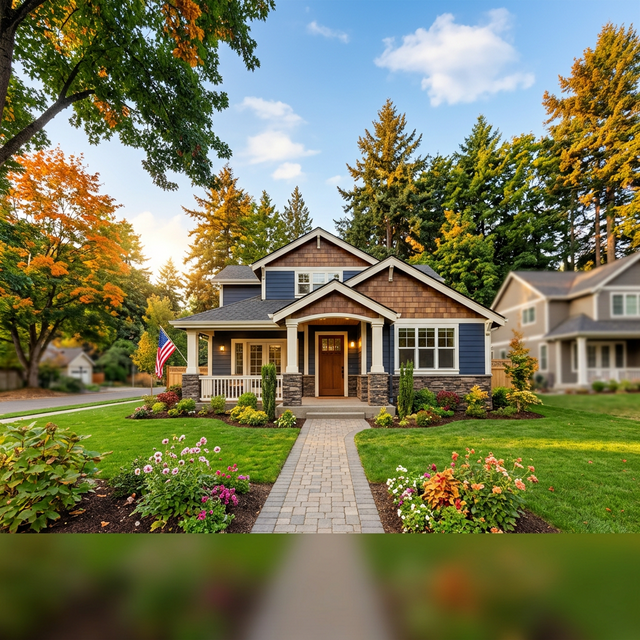
Michigan Halal Home Cover Image
Michigan is home to one of the largest and most vibrant Muslim communities in the United States. For many families living in the Great Lakes State, achieving the American dream of homeownership is a top priority. However, for those committed to Islamic financial principles, the traditional mortgage system presents a significant hurdle: Riba (interest).
The question many prospective buyers ask is: Can you actually buy a house in Michigan without Riba? The short answer is yes. In fact, Michigan—particularly areas like Wayne County, Dearborn, and Metro Detroit—is one of the most accessible states in the US for securing a Halal mortgage. This guide walks you through the Michigan-specific process. For a broader introduction to how Islamic home financing works across the entire USA, start with our complete guide to Halal mortgage options in the USA.
Why Michigan is a Hub for Islamic Home Financing
Because of its dense and established Muslim population, Michigan has attracted a wide array of Islamic financial institutions. Unlike buyers in states with smaller Muslim demographics who might struggle to find local providers, Michigan residents have multiple options.
Many national Islamic finance providers have dedicated branches or specialized agents in cities like Dearborn and Ann Arbor. This high concentration of providers creates a competitive environment, which often translates to better customer service, more flexible terms, and competitive profit rates for buyers seeking Riba-free home loans.
How Sharia-Compliant Financing Works in Michigan
To buy a house without Riba, you cannot use a conventional bank loan. Instead, you must use a Sharia-compliant financing model. The two most common models utilized by Michigan homebuyers are:
- Murabaha (Cost-Plus Financing): The financier purchases the Michigan property you want and immediately sells it to you at an agreed-upon higher price. You pay this total amount in fixed monthly installments.
- Ijara (Lease-to-Own): The financier buys the property, and you enter into a lease agreement. Your monthly payments include a rent portion and an equity portion. Over time, you buy out the financier's shares until you own the home outright.
Both methods are strictly Riba-free and have been approved by prominent Islamic scholars and organizations in North America. For a detailed comparison of these two models and their pros and cons, see our guide: Murabaha vs. Ijara: Which Islamic Mortgage is Right for You?
4 Steps to Buying a Riba-Free Home in Michigan
If you are ready to start your home-buying journey in Michigan, follow these essential steps:
1. Evaluate Your Financial Health
Before approaching any financial institution, you need a clear picture of what you can afford. Use our free Halal Home Financing Calculator to estimate your monthly payments based on current market benchmark rates. Keep in mind that Islamic financiers generally require a solid credit score (often 680 or higher) and a stable income history.
2. Save for a Down Payment
Conventional loans sometimes allow for very low down payments (like 3% or 5%). However, Sharia-compliant financing often requires a higher initial investment. Expect to need a down payment of at least 10% to 20% of the property's purchase price to qualify for the best Islamic home financing in Michigan.
3. Get Pre-Approved by a Halal Provider
Do not start house hunting without a pre-approval letter. Contact a specialized Islamic financing provider that is licensed to operate in Michigan. They will review your financial documents and provide a pre-approval letter stating exactly how much Riba-free financing you qualify for. This letter shows Michigan home sellers that you are a serious, qualified buyer.
4. Work with a Knowledgeable Real Estate Agent
The real estate market in Metro Detroit and Wayne County can be highly competitive. It is highly recommended to work with a local real estate agent who has experience dealing with Islamic financing. They will understand the specific contract requirements and timelines associated with Murabaha and Ijara models, ensuring a smooth closing process.
Common Challenges and How to Overcome Them
While buying a home without Riba in Michigan is highly achievable, buyers should be prepared for a few unique aspects:
- Property Taxes: Regardless of your financing method, Michigan property taxes must be paid. In an Ijara contract, the financier typically handles the tax payments by collecting an escrow amount from you alongside your monthly payment.
- Closing Costs: Islamic financing can sometimes involve slightly higher closing costs due to the complex legal structures (like establishing a trust for Ijara). Always ask your provider for a transparent breakdown of all closing fees upfront.
Conclusion
Buying a house in Michigan without Riba is not just a possibility; it is a reality for thousands of Muslim families every year. By educating yourself on the available models, preparing your finances, and working with specialized providers, you can secure your dream home while staying true to your faith.
Stay informed about the market by tracking our Halal Market Pulse, which provides daily updates on the national benchmark rates used by Islamic financiers.
Disclaimer: This article is for informational and educational purposes only and does not constitute financial, legal, or religious advice. UI Mortgage is an informational platform and aggregator, not a direct lender. Please consult with a certified financial advisor or an Islamic finance scholar before making any real estate or financing decisions in the state of Michigan.
Related Articles
The Complete Guide to Halal Mortgage Options in the USA: How to Buy a Home Without Riba
A comprehensive guide exploring what a Halal mortgage is, how Islamic home financing works in the USA, and the different Sharia-compliant models available.
Murabaha vs. Ijara: Which Islamic Mortgage is Right for You?
The two most popular Islamic home financing models available today are Murabaha and Ijara. Understand the mechanics, benefits, and differences between them.
How National Benchmark Rates Affect Your Halal Profit Rates
If this is truly a Halal mortgage, why is the cost tied to the national interest rate benchmark? Understand how Islamic financial institutions use these national benchmarks.
Comments (0)
No comments yet. Be the first to share your thoughts!
Contact Us
To ensure absolute accuracy and provide you with documented, Sharia-compliant financing quotes that you can review in your own time, all our preliminary consultations are conducted via email. Fill out the quote form, and our matching team will email you the best options within 24 hours.
For direct inquiries, you can also reach us at: contact@uimortgage.com